The Ultimate Guide to Sustainable Fashion Practices
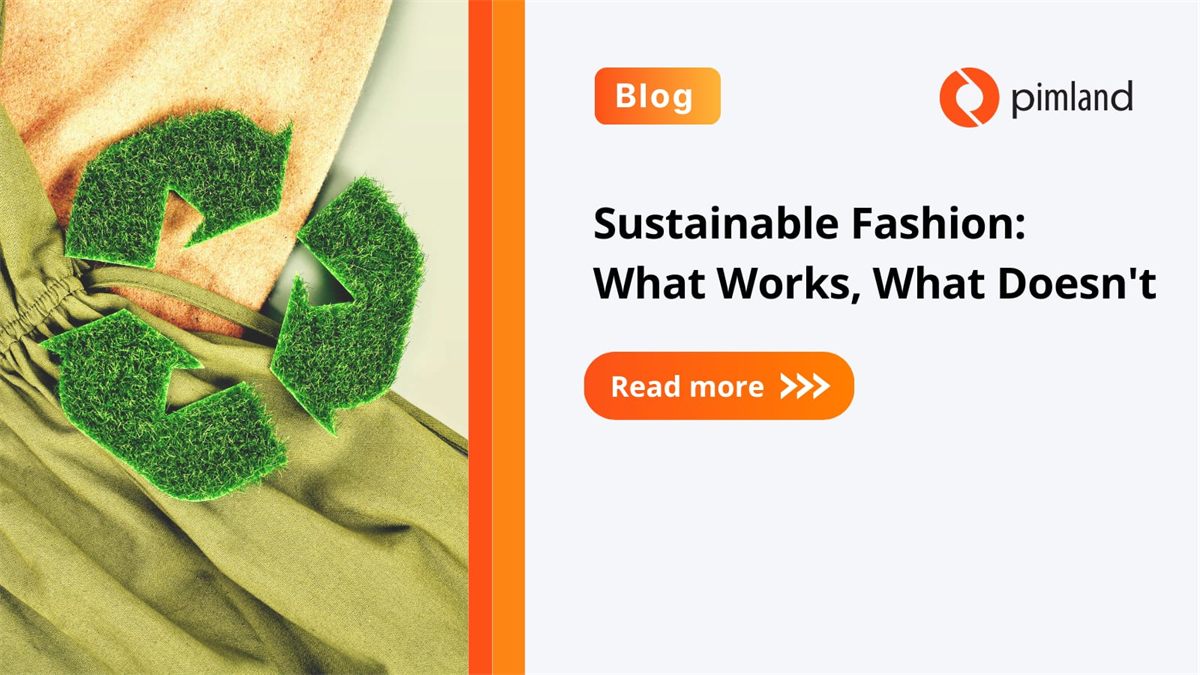
The fashion industry stands at the crossroads of environmental and social responsibility, significantly impacting the planet and its workforce. Meeting today's demands requires more than a change in mindset — it calls for strategic planning and practical tools, with technology playing a pivotal role.
Why Sustainability Matters in Fashion
Fashion is one of the most resource-intensive and environmentally impactful sectors worldwide. The industry accounts for approximately 10% of global carbon emissions and 20% of global wastewater. The rise of fast fashion has amplified these challenges, generating an estimated 92 million tons of textile waste annually.
Social challenges match the environmental ones. The Clean Clothes Campaign estimates nearly 43 million workers in the global fashion supply chain are paid below minimum wage. These pressing issues demand immediate action.
What Works for Sustainable Fashion
Prioritise Ethical Sourcing
Sustainability begins with materials. Ethical sourcing ensures raw materials are environmentally friendly and socially responsible — and can decrease supply-chain costs by up to 16% (IBM). Certifications like GOTS or Fair Trade add credibility.
Embrace Circular Fashion
The resale industry is growing at 11 times the rate of traditional retail. Design products with their full lifecycle in mind: garments should be repairable, reusable or recyclable, and brands should engage customers through trade-in or repair programs.
Invest in Sustainable Materials
Innovative fabrics like Tencel, hemp and biodegradable textiles require fewer resources. Shifting to organic cotton alone can cut water usage by up to 91%.
Be Transparent
According to PwC, 23% of consumers will pay 6–10% above average for a transparent brand. Sharing the whole story — successes and challenges — builds trust, and advanced technology can provide verifiable proof of your sustainability claims.
What Doesn't Work
Avoid Greenwashing
Inflating or inventing sustainability claims weakens consumer trust and harms reputation. If you claim a product is "green" or "eco-friendly," you need evidence to back it.
Don't Overlook Worker Rights
Sustainability includes people. Ethical labour standards should be non-negotiable, and transparency about pay and working conditions can be a competitive edge.
Less Is More: Avoid Overproduction
Overproduction defines fast fashion, wasting resources and creating unsold inventory — barely 1% of clothing is recycled into new garments. A made-to-order strategy or limited runs reduces waste and builds a sense of exclusivity.
Maximise Your Impact with PIMLAND
PIMLAND gives fashion businesses the tools to integrate sustainability into operations. With its cloud-based platform, brands can track material composition, certifications and supplier data — reducing waste, enhancing compliance and meeting growing consumer demand for transparency. The technology and experience behind it let brands implement sustainable practices seamlessly.
Final Thoughts
Sustainability in fashion is becoming a duty rather than a luxury. By following these dos and don'ts, brands can pave the way for a more responsible industry. Fashion can influence change — and businesses must use it to help create a more sustainable, ethical world.