The Art of Product Design: A Step-by-Step Guide to Fashion Collections
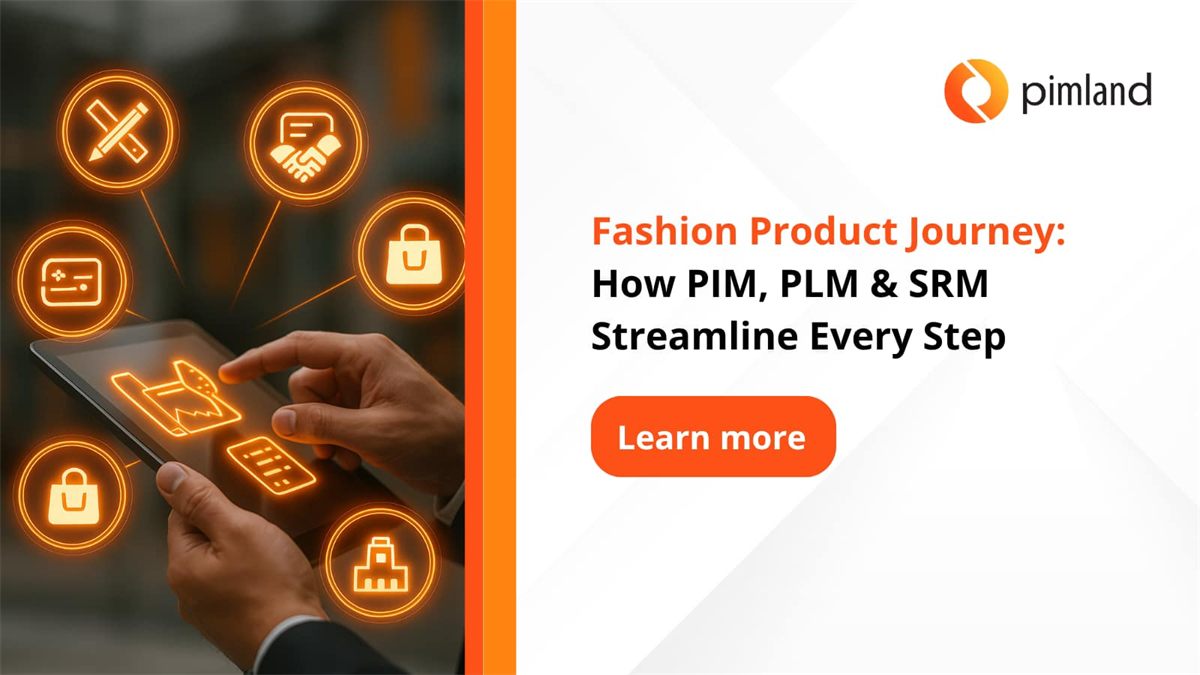
Behind every fashion collection lies a carefully orchestrated journey — from seasonal trend research and design sketches to sourcing materials and launching in the showroom. PIMLAND brings PLM and PIM into one platform, so designers, suppliers and marketers can all work from the same source of truth. Here's a walk through each step.
The Fashion Product Journey, Step by Step
Trend Forecasting & Creative Ideation
Trend forecasting starts with gathering clues — fashion weeks, runway images, online comments and consumer search data. Brands need to spot emerging styles months in advance; AI tools like WGSN's TrendCurve can forecast demand up to a year out. Many brands layer human insight on top: buyers know their audience.
Design & Development
Designers sketch, tweak and develop physical samples. Throughout, version control and a clear audit trail are crucial — who changed what, and when. This stage is costly and error-prone; Roland Berger notes 30% of clothing never sells at full price, often due to last-minute quality or fit issues. The challenge: managing prototype waste and avoiding repeated costly revisions.
Material Sourcing & Supplier Collaboration
Choosing fabrics and trims means juggling lead times, certifications and prices across suppliers. The biggest challenges are shipment delays, rising raw-material costs and logistical hiccups — plus an ongoing push toward sustainability that requires more strategic supplier relationships.
Product Data Management
Correct product data — colour codes, size charts, descriptions, imagery — is vital early on. Inaccurate data leads to miscounts, delays and costly rework that ripples into production and sales.
Production Planning
After sample sign-off, the process shifts to bulk production, where speed and precision are everything. Teams across departments must stay in sync — often across time zones and languages. Miscommunications, missed handovers and outdated spreadsheets quickly create delays.
Go-to-Market Execution
The final step is launch: getting product data, images and descriptions out to e-commerce, campaigns and channels. A single mismatch — an incorrect sizing chart, an outdated name — can confuse customers and erode trust.
How PIMLAND Helps Your Product Lifecycle
When brands juggle designs, fabrics, suppliers, timelines and campaigns, things get messy fast. PIMLAND brings three essential tools into one place:
- PLM tracks every stage from first sketch to final sample — version control, approvals and sample rounds without confusion.
- SRM manages sourcing, compliance and supplier collaboration — fabric and trim orders, vendor relationships and communications in one view.
- PIM organises and updates product data — sizes, colourways, images, descriptions — so marketing, e-commerce and sales always have the latest.
According to Forrester, companies using integrated PLM and PIM launch faster and communicate more effectively. When these tools work together: product data is correct from the start (fewer delays), supplier info is always accurate (materials arrive on time), and teams work from a shared system (no duplicated work).
Final Words
Creating a fashion collection is about coordination, speed and accuracy at every step. With PIMLAND's fully integrated PLM, SRM and PIM, brands can turn chaos into clarity — gaining real-time visibility and eliminating data gaps.